Strength training and menopause
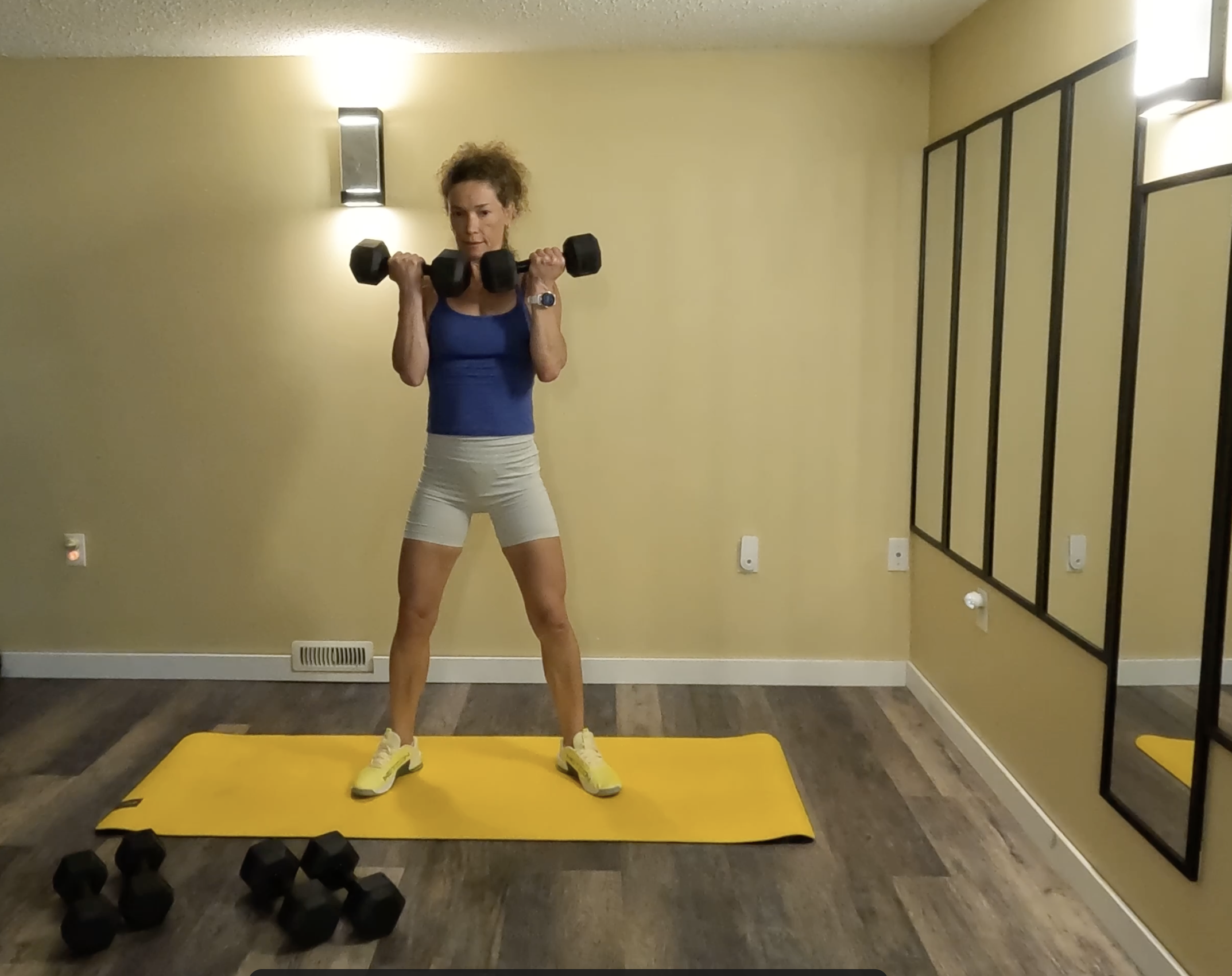
Menopause is a training transition, not a decline
Menopause/perimenopause, postmenopause isn’t just aging with symptoms. It’s a physiological transition that affects muscle, bone, recovery and body composition. Women in this age category might notice that they can’t train the way they did 20 years ago, they need more time to recover before getting back to strength training. That doesn’t mean they need to give up on these activities, they just need to make it safe, risk free so they can continue training for decades and living a healthy, independent life for as long as possible.
Here are some facts about strength training and menopause:
Canadian guidelines recommend training at least twice per week , yet only 46% of women meet these conditions and the number is declining with age
Menopause speeds up muscle and bone loss, but strength training can slow it down. The drop in estrogen accelerates muscle and bone loss, leading to an increase of osteoporosis in menopausal women. High intensity resistance and impact training have shown to increase bone density. Heavy lifting it’s not only more effective, but also safe for joints, spine and hip. Avoiding loads does not protect bones. Strong, consistent movement with gradual increase is what meakes bones stronger, joints healthier.
Midlife body changes are physiological and not a lack of motivation. Many women are frustrated when their body composition changes, even when they are doing everything right. Central fat gain is common, even when diet and exercise don’t change. And here comes STRENGTH TRAINING, aiding in preserving muscle, burning more calories, improving insulin sensitivity and supporting metabolic health. Muscle is the only active tissue in the body that burns energy even when at rest, increasing your metabolism. Weight loss alone is not the best way to keep a healthy body at this age. Emphasize consistent, well-designed strength training, movement quality for better results, Measure your success by what your body can do, rather than what the scale shows. That will give you more confidence and better long term results.
Women in their midlife are still able to train successfully and see the results, but recovery matter more than in the younger ages. Smart volume, adequate rest and protein are key. Women don’t suddenly loose the ability to build strength after menopause, They stay highly adaptable to training. Hormonal changes impact recovery time, affecting fatigue tolerance and connective tissue repair. That’s why high-quality training with longer rests outway high volume and high intensity workouts.
The goal isn’t fixing the symptoms, rather preserving independence. Strength training has been shown to improve sleep, mood, even help with hot flashes, but it’s not a guaranteed symptom cure and it shouldn’t be used as one. Resistance training improves muscle and bone strength, balance, confidence and functional independence. These are the factors that reduce risk of falls, osteoporosis, delay disability and allow women to stay independent longer.
Strength training is not optional after menopause.
Resistance training can be one of the most powerful tools to support women’s long-term health.
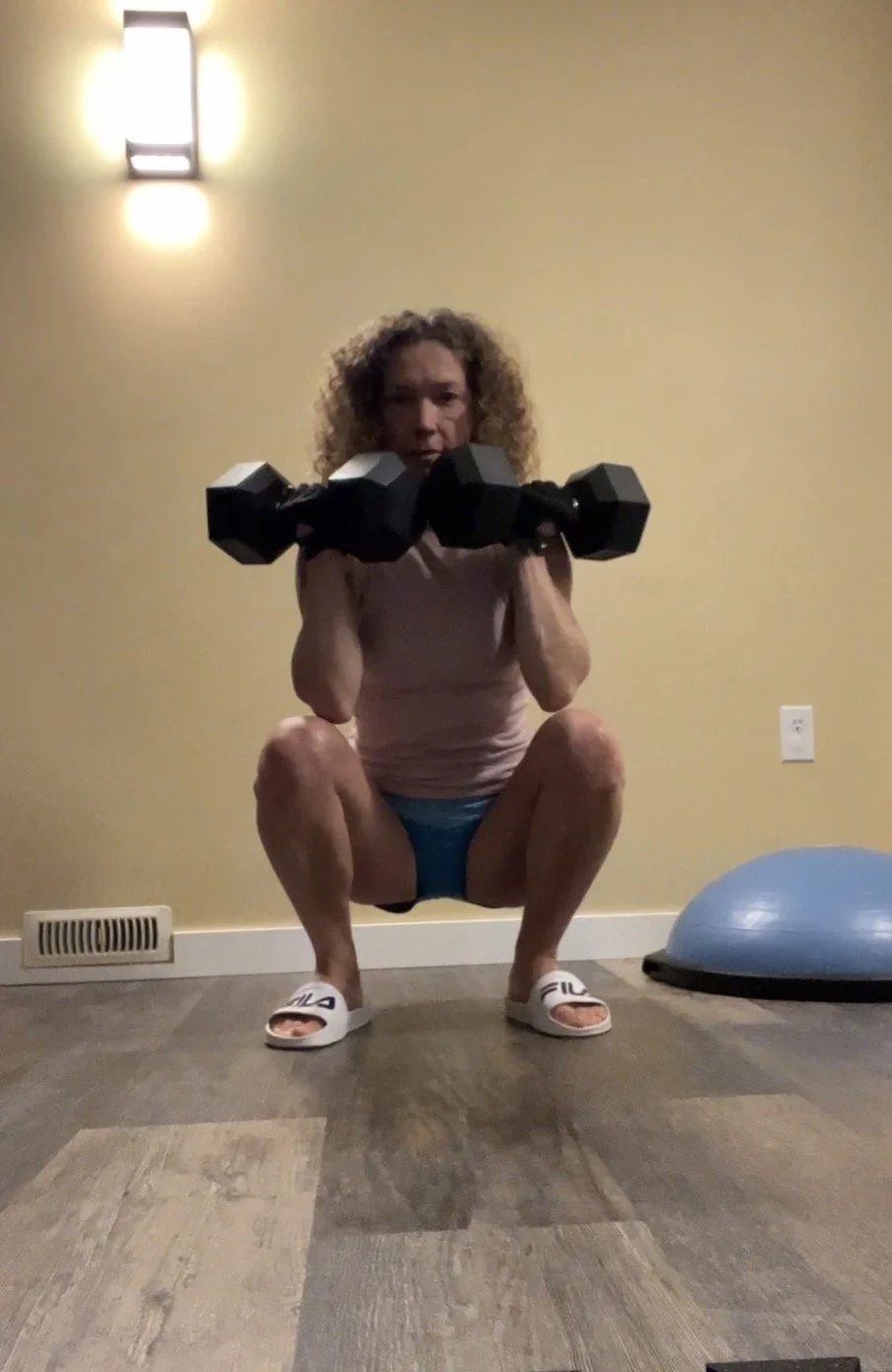
Menopause needs MUSCLE
46% of Canadian women miss the recommended strength guidelines
Menopause speeds muscle and bone loss
Bones need load, not caution
Body changes are biological
Recovery matters more
**Disclaimer: For informational purposes only. All opinions expressed are my own personal thoughts, based on my personal research as a Fitness Trainer and Healthy eating coach. Use it at your own discretion.