How toxic is your nail polish
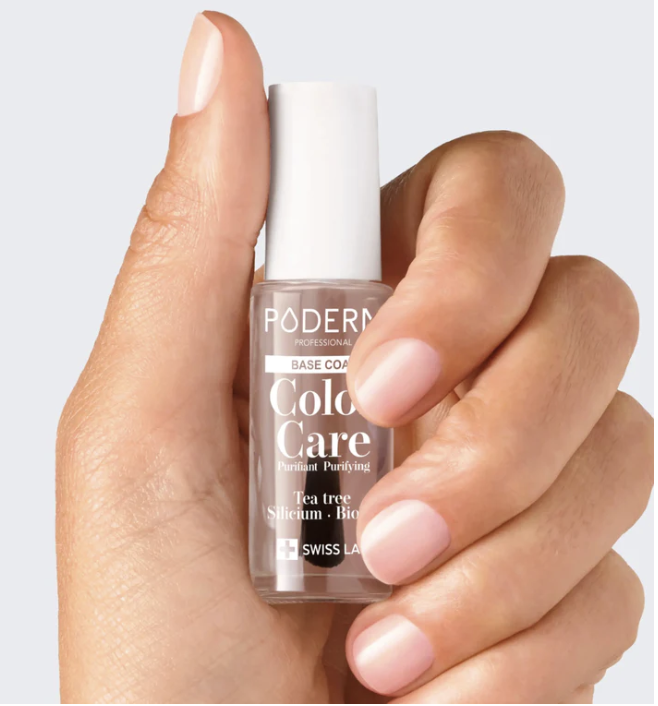
Most nail polishes are filled with toxic ingredients
Fortunately there are better choices in the market.
There’s a great variety of nail polishes in the market, but lots of them compromise our health, containing very toxic ingredients.
A commonly used term in nail-polish non-toxicity is “Number-free“, where the Number represents how many of the toxic ingredients are not present in a nail polish. For example 10-free is better than 5-free.
The 10 most harmful ingredients in nail polish are:
formaldehyde
Phthalates
Toluene
Camphor
Triphenyl Phosphate (TPHP)
Parabens
Xylene
Naphthalene
Styrene
Glycol Ether of Series E (EGEs)
Let’s take a look at each of these toxic ingredients:
Formadehyde - it is typically added to nail polishes as a hardener, though it is classified as a human carcinogen and allergen. Most nail polishes no longer include formaldehyde in their formula. However, you’ll still want to keep an eye on common formaldehyde derivatives like Formaldehyde resin, a potential endocrine disruptor.
Phthalates - are added to nail polishes as plasticizers to make the finish more flexible. The most well known phthalate in the nail polish world is DBP, but other phthalates, like dimethyl phthalate (DMP), diethyl phthalate (DEP), and polyethylene terephthalate (PET) have taken its place lately. Phthalates are dangerous because they’re endocrine disrupters and are scientifically shown to negatively impact reproductive, neurological and developmental systems in the human body, particularly in unborn babies, children, kids in puberty and women.
Toluene - also called Methylbenzene and benzenes can be a risk. This is a solvent added to nail polishes to make them faster drying. The speed toluene offers comes at a high cost - severe adverse effects on the nervous system including anxiety, confusion, memory loss and difficulty sleeping. It also can cause kidney damage, liver damage and developmental delays in babies when the mother is exposed during pregnancy.
Camphor - contributes to the flexibility and durability of nail polish formulas, however, it can be toxic when ingested causing nausea and mental confusion at lower exposure levels and at higher levels, seizures, unconsciousness.
Triphenyl Phosphate (TPHP) - a very common harmful ingredient in nail polishes. TPHP is believed to have been added to nail polish to replace DBP, but it’s just another endocrine disruptor in a new form and it’s specifically linked to impairing fertility and reproductive capacity. The only silver lining with this chemical is that TPHP is excreted through the body via urine in about 24 hours.
Parabens - are used as preservatives and the most common ones are methylparaben, propylparaben, butylparaben and ethylparaben. In the body, parabens mimic hormones, disrupt hormone signals, impact hormone production, and affect the healthy function of both male and female reproductive systems. Studies have linked paraben load in the body with decreased fertility.
Xylene - is a solvent that helps thin nail polish to prevent it from getting lumpy. It also causes skin, eyes and throat irritation, as well as impaired lung function, impaired memory, lack of muscle coordination and potential liver and kidney damage.
Naphthalene - is a common ingredient in mothballs and it’s also found in some nail polish. Toxic to both humans and animals, naphthalene causes reversible negative effects like headaches, eye and nose irritation, though with repeated exposure it’s linked to cancer, liver and kidney damage.
Styrene - has a wide variety of chemical derivatives: Styrene/acrylates copolymer, Styrene butadiene copolymer, Polystyrene, Styrene copolymer, Styrene resin, Ethylbenzene and Vinylbenzene. It’s widely used to make plastics and rubber and added to cosmetics for color.
Unfortunately, evidence in the research strongly suggests it’s an endocrine disruptor that is also linked to cancer.
Glycol Ether of Series E (EGEs) - This group of solvents is added to nail polish to improve the spreadability of the pigments.
They’re linked to reproductive harm like birth defects, sperm damage and testicle damage. They are also believed to create adverse neurological effects like personality changes, confusion and trembling.
Now that you know what ingredients you should avoid in nail polish, you can make healthier choices for yourself. My current peronal favourite is Poderm nail polish.
Always read the list of ingredients before buying any product and avoid these harmful ingredients when possible.
Buy purchasing healthier products and avoiding buying the harmful ones, we can help promote healthier choices and make the harmful ones get discontinued.
**Disclaimer: For informational purposes only. All opinions expressed are my own personal thoughts, based on my personal research as a Fitness Trainer and Healthy eating coach. Use it at your own discretion.